
A Face Shape Test That Never Sees Your Photo
Unlike upload-based tools, this face shape detector analyzes your selfie entirely in your browser. Your photo never leaves your device, which makes it a quick, private way to check.
Try it NowUpload a selfie and the AI measures your jaw, cheekbones and face length to tell you which shape you are, with the hairstyles and glasses that flatter it. Your photo is analyzed in your browser and never uploaded.

Oval

Round
Square
Oblong

Heart
Diamond
Which one are you? Your proportions know the answer.
Oval, round, square, oblong, heart, diamond and triangle: how to recognize each one, and the hairstyles and glasses that flatter it.
Oval
About one and a half times longer than wide, with the cheekbones as the widest point and a jaw that tapers gently. Almost any haircut works, so pick frames by size: medium lenses that match the width of your face keep the balance.
Am I oval? →
Round
Length and width are nearly equal, with full cheeks and a soft, rounded jaw. Add height with volume on top or a long bob past the chin, and sharpen the curves with rectangular, wayfarer or cat-eye frames.
Am I round? →
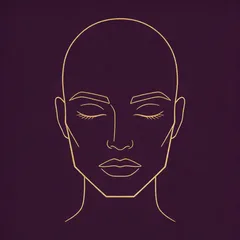
Square
Forehead, cheekbones and jaw are about the same width, and the jawline is strong and angular. Soft waves, layered cuts and a side-swept fringe take the edge off, and round, oval or rimless frames do the same for glasses.
Am I square? →
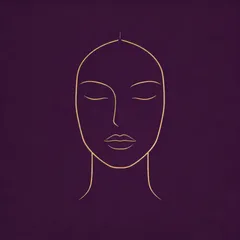
Oblong
Noticeably longer than wide, with fairly straight sides from forehead to jaw. Curtain bangs and side volume at cheek level shorten the look, while oversized or deep square frames claim some of that height.
Am I oblong? →
Heart
A wide forehead and cheekbones taper to a narrow, sometimes pointed chin. Chin-length bobs and long layers add weight where the face narrows, and bottom-heavy, rimless or thin round frames keep the brow from dominating.
Am I heart? →
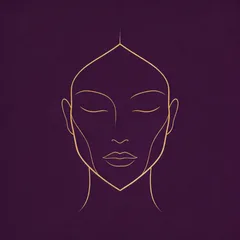
Diamond
Cheekbones are the widest point, with a narrow forehead and a narrow chin. A wispy fringe or a chin-length cut with volume fills in both ends, and cat-eye or browline frames widen the forehead line.
Am I diamond? →
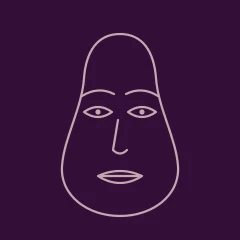
Triangle
Also called pear: the jaw is wider than the cheekbones and the forehead is the narrowest point. Volume on top, a side part and frames with a bold upper rim (browline, aviator, cat-eye) draw the eye upward. The detector files it under square or round, whichever is closer.
Am I triangle? →
Three steps from selfie to result, with style tips at the end.
Choose a clear, front-facing photo with your hair away from your face. The detector reads it locally; nothing is uploaded.
The analyzer maps 68 facial landmarks (jawline, cheekbones, forehead and face length) and compares your ratios to each shape.
See your face shape with a confidence score, what it means, and which hairstyles and glasses fit it best.
A private test that answers "what is my face shape" and tells you what to do with the answer.
Unlike upload-based tools, this face shape detector analyzes your selfie entirely in your browser. Your photo never leaves your device, which makes it a quick, private way to check.
Try it NowThe analyzer measures your actual jaw width, cheekbone width and face length from 68 landmarks, then classifies your shape with a confidence score and shows how close the runners-up came.
Try it NowEvery result comes with practical tips: three hairstyles, three glasses frames and two photo-angle tips for your shape, each with a one-line reason. Handy for dating profile photos too.
Try it NowPull your hair back and take four measurements in a mirror or a straight-on photo: forehead width (across the brows), cheekbone width (the widest point under your eyes), jaw width (about an inch below the ears) and face length (hairline to chin). If the length is about one and a half times the width and the cheekbones are widest, you are oval. Length and width nearly equal with a soft jaw is round; the same widths with an angular jaw is square. Much longer than wide is oblong. Forehead widest with a pointed chin is heart, cheekbones widest with a narrow forehead and chin is diamond, and a jaw wider than the forehead is triangle. The detector runs the same comparison from 68 landmarks for the six shapes it tells apart (a triangle face is filed under square or round), so you can skip the tape measure.
Try it NowIt comes down to four measurements: forehead width, cheekbone width, jaw width and face length. Compare them and you land on one of six core shapes: oval, round, square, oblong, heart or diamond (a triangle face, with a jaw wider than the forehead, is grouped with square or round). Upload a front-facing selfie and the detector measures those proportions for you, names your shape and shows a confidence score.
A face model running in your browser finds 68 landmarks on your selfie: the jawline, cheekbones, brow line and chin. From those points it works out face length, jaw width and forehead width relative to cheekbone width, then compares your ratios with the typical ratios of each shape. The closest match is your result, and the percentages show how near the other shapes came.
It is free to try. Sign in with Google or email and your new account gets 15 free credits; each detection uses 1 credit, so you can check a few different selfies before you ever need a credit pack.
It measures real distances between landmarks, which is far more consistent than eyeballing a mirror, and it tells you when a result is a close call. Lighting and angle still matter: a straight-on, hair-back photo at eye level gives the best result, while a tilted head or a wide-angle selfie can shift the ratios.
Go for contrast: pick frames that add what your face lacks. Round faces look sharper in rectangular or wayfarer frames; square faces soften with round, oval or rimless frames; oblong faces look shorter in oversized or deep square frames; heart faces balance with bottom-heavy, rimless or thin round frames; diamond faces suit cat-eye and browline frames that widen the forehead; oval faces can wear almost anything, so choose by lens size. Your result lists three frame styles for your shape and why they work.
No. The test runs entirely in your browser using on-device AI. Your photo never leaves your device and is never stored.
Use it to pick hairstyles, glasses and photo angles that flatter your features. Small changes like these make a real difference in dating profile photos.